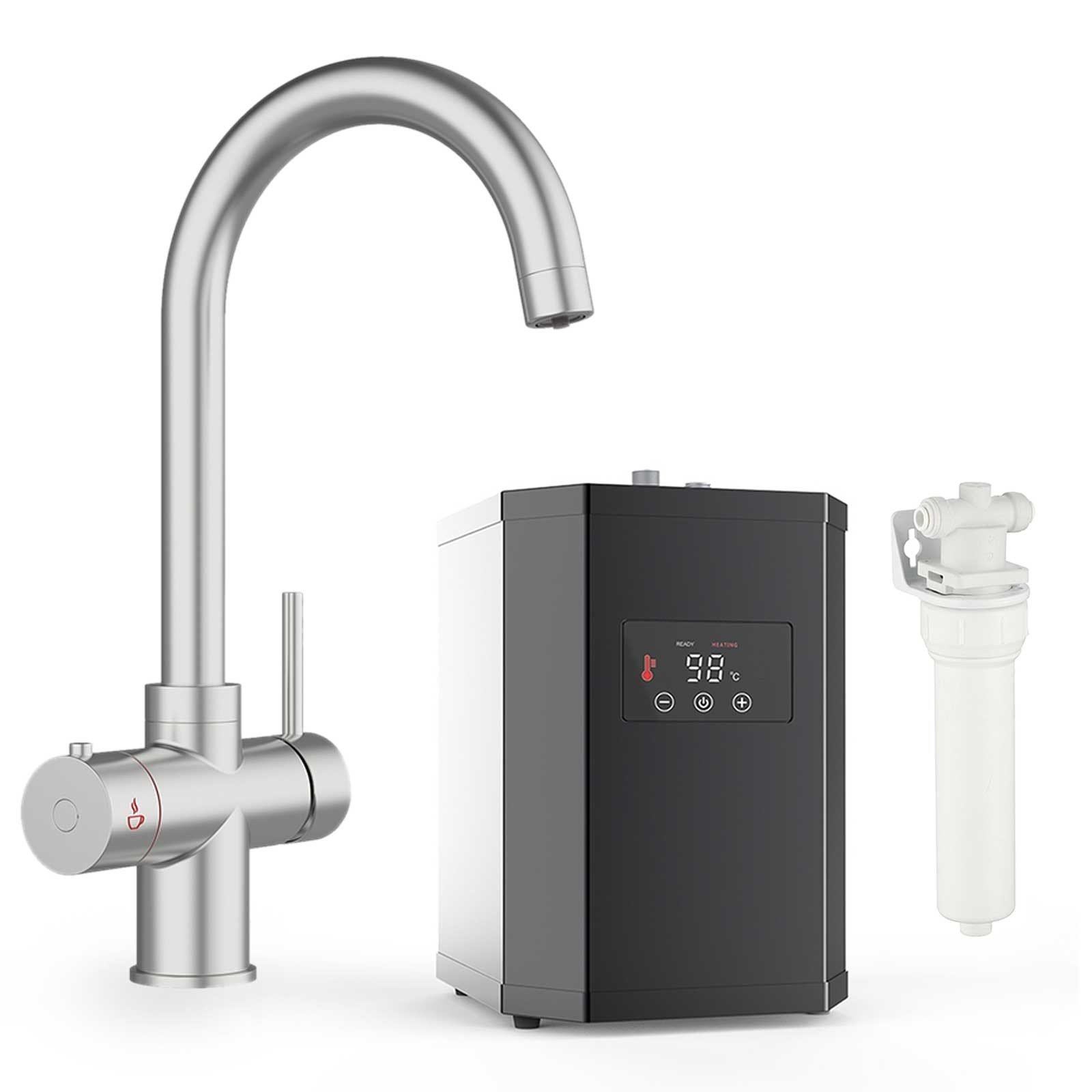
A Historical Flow of Refreshment
The bubbler, known in some regions as a drinking fountain, has a surprisingly rich history dating back to the early 20th century. Originating in the United States, the first patented designs were created to provide a clean, continuous stream of drinking water in public spaces. Its name is thought to come from the bubbling sound of water flowing through its spout. Over time, the bubbler became a staple in schools, parks, and workplaces, symbolizing both accessibility and communal sharing of a vital resource. Its enduring presence speaks to its functional simplicity and cultural familiarity.
Design that Marries Form and Function
Modern bubblers are a marriage of practicality and aesthetic appeal. Crafted from durable materials such as stainless steel, brass, or heavy-duty polymers, they are built to withstand constant use and varied environmental conditions. Designers have refined their form to be sleek and hygienic, with features like push-button activation, automatic shut-off, and filtration systems to ensure water purity. Some contemporary models even incorporate artistic elements, turning a utilitarian object into a visual asset for urban spaces.
Sustainability in Every Sip
In an era focused on reducing single-use plastics, bubblers stand as quiet champions of sustainability. By offering free access to potable water, they reduce the demand for bottled beverages, thus lowering plastic waste and carbon emissions associated with production and transportation. Many cities are now reviving or upgrading public bubbler networks as part of green infrastructure initiatives. Some are fitted with bottle-filling stations, encouraging reusable containers and promoting eco-friendly hydration habits.
A Social and Cultural Connector
Beyond hydration, the bubbler has served as a gathering point and conversation starter. In schoolyards, it’s a familiar meeting spot between classes; in parks, it offers a pause in a jogger’s route or a refreshing stop for families. In regions where the term “bubbler” is part of local vernacular, it even becomes a marker of cultural identity and regional pride. Its presence reminds us of the shared human need for water and the value of public resources accessible to all.
Innovation Flowing into the Future
As technology advances, so too does the humble bubbler. Touchless activation, integrated water quality sensors, and solar-powered operation are just some of the innovations enhancing convenience and safety. Some futuristic models even offer temperature control, sparkling water options, or interactive displays for public information. Despite these upgrades, the core purpose remains unchanged: to provide safe, refreshing water to anyone, anytime, anywhere. This blend of tradition and innovation ensures the bubbler’s relevance for generations to come.